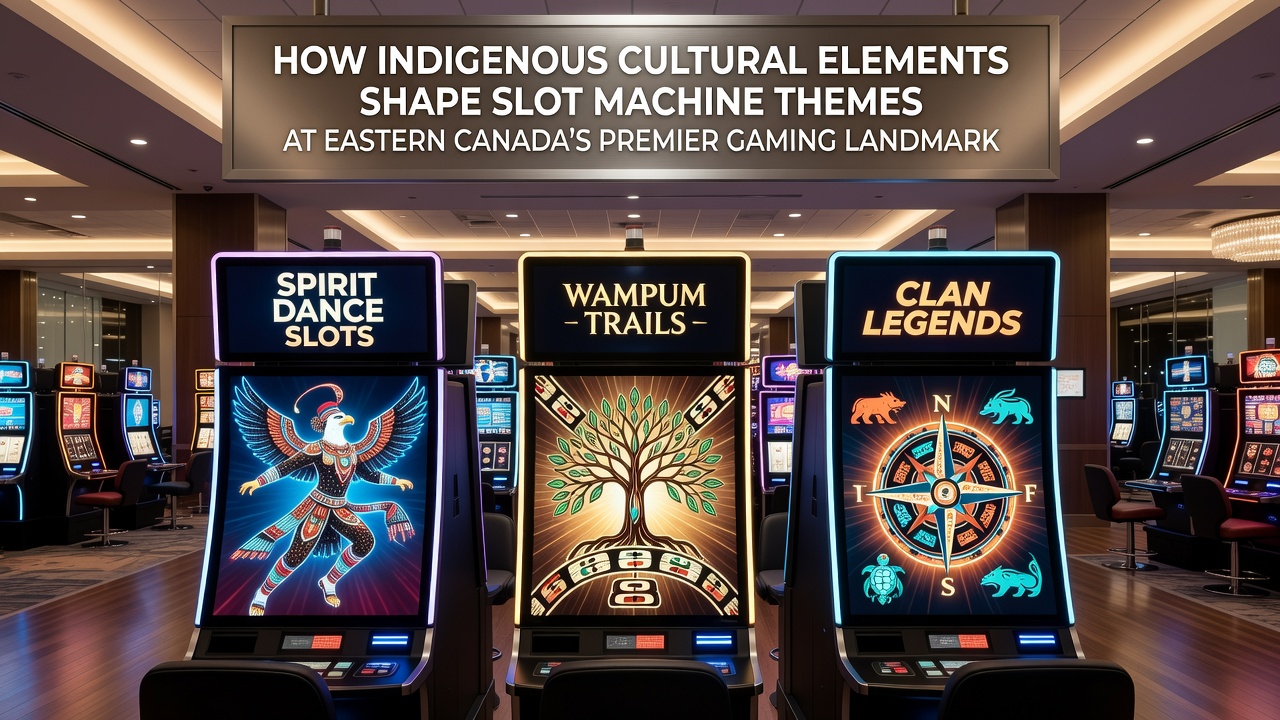
How Indigenous Cultural Elements Shape Slot Machine Themes at Eastern Canada's Premier Gaming Landmark
The Casino de Montréal stands as Eastern Canada's premier gaming landmark and draws visitors who encounter slot machines that incorporate Indigenous cultural elements drawn from First Nations traditions across Quebec and broader Canadian territories. These themes emerge through symbols, narratives, and visual motifs that reflect Algonquin, Inuit, and Mohawk heritage while operators work within provincial regulations that govern content approvals and cultural representation.
Historical Context of Gaming Venues in Quebec
Quebec established its casino network in the 1990s under the Société des casinos du Québec, and the Montreal location opened in 1993 inside the former French pavilion from Expo 67. Slot machines at the venue have evolved since then to include titles that reference local Indigenous stories because developers seek distinctive content that resonates with regional identity. Data from the casino's annual reports show thousands of machines on the floor, with a growing portion featuring artwork and audio cues tied to Indigenous sources rather than generic international themes.
Key Indigenous Motifs in Slot Designs
Design teams select elements such as the thunderbird, dream catchers, and animal spirits that appear in many First Nations oral histories. Game developers integrate these into reels where players encounter bonus rounds built around seasonal cycles or traditional storytelling structures. One manufacturer partnered with Indigenous consultants to ensure accurate depictions of beadwork patterns and drum rhythms that accompany wins, and similar collaborations appear in other Canadian provinces where gaming commissions require cultural sensitivity reviews before machines reach casino floors.
Observers note that these themes often appear in progressive jackpot games where the central narrative follows a hero's journey modeled on legends shared among Eastern Woodlands communities. Graphics include birch bark textures and northern lights animations that connect players to the physical landscape surrounding the St. Lawrence River. Such details differentiate the Montreal experience from slots found in Las Vegas or Macau, where themes draw more frequently from global pop culture.
Regulatory Framework and Content Approval
The Alcohol and Gaming Commission of Ontario maintains oversight for certain cross-border licensing matters, yet Quebec's own regulatory body reviews every slot title for compliance with content standards. Indigenous Services Canada has issued guidance documents that encourage respectful portrayal when commercial projects reference Aboriginal cultural property. These guidelines influence how Montreal operators select and adapt themes, resulting in machines that credit specific communities in their help screens and promotional materials.
Studies conducted by researchers at Université Laval examined player engagement with culturally themed slots and found measurable differences in session length when machines featured familiar regional symbols. The data indicated higher repeat play rates for titles that used accurate linguistic elements in their bonus features, although the study did not measure long-term revenue impact across the entire floor.
Industry Partnerships and Development Trends
Slot manufacturers have formed working groups with Indigenous artists and elders to refine artwork before machines enter production. This process includes review of color palettes derived from traditional quillwork and soundscapes that incorporate authentic vocal samples cleared through community channels. Reports from the Canadian Gaming Association document an increase in such collaborative projects since 2018, with several new releases scheduled for testing at the Montreal site each year.
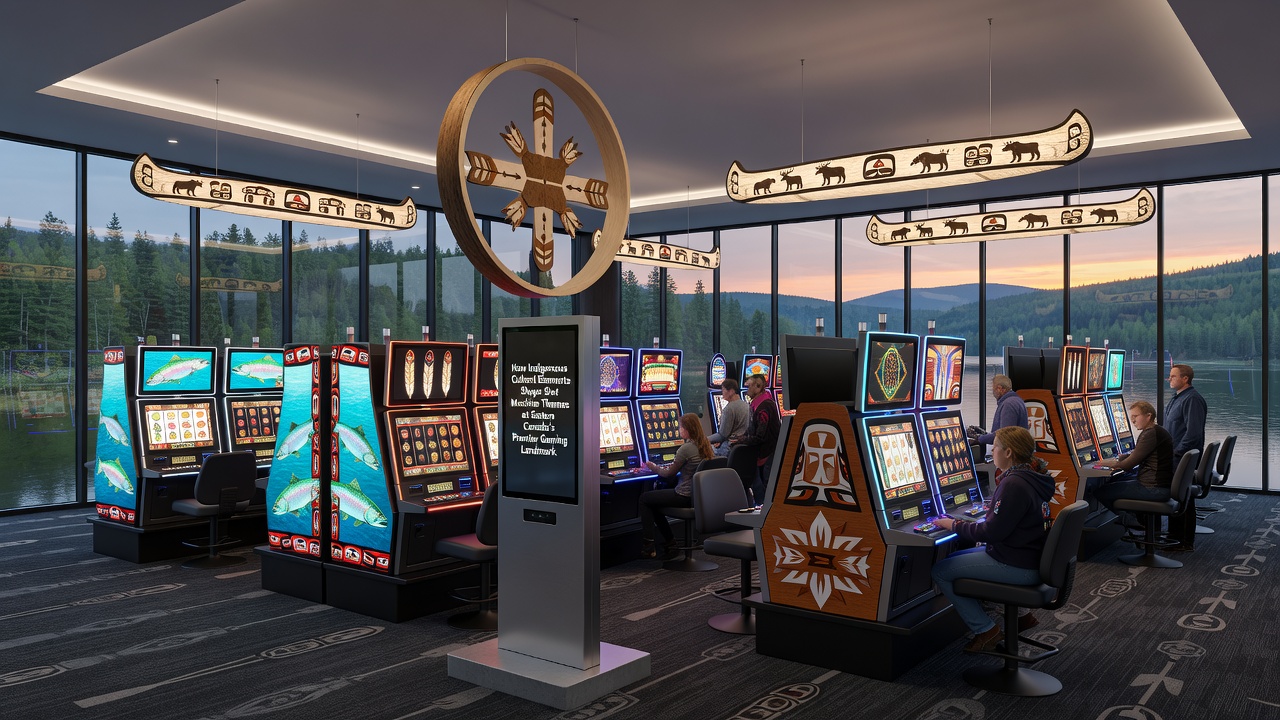
What's interesting is how these elements coexist with standard mechanics like wild symbols and free spins. Developers layer cultural overlays onto established mathematics models so that core gameplay remains consistent while surface presentation changes. Players encounter scatter pays that trigger animations of canoe journeys or harvest festivals, yet the underlying random number generator stays identical to non-themed machines.
Player Demographics and Engagement Data
Figures released by the Société des casinos du Québec reveal that a significant share of evening visitors come from within the province, and many express interest in games that reference local heritage. Marketing materials promote these titles through digital campaigns that highlight the educational notes included in game rules. Attendance records show steady foot traffic around banks of machines that carry Indigenous motifs, particularly during winter months when tourism from other Canadian regions increases.
One case involved a multi-line slot that adapted a creation story into its bonus ladder, and operators reported positive feedback from focus groups composed of both Indigenous and non-Indigenous participants. The game underwent revisions after initial testing to adjust certain visual elements based on community input before its full rollout.
Future Developments and Market Shifts
Industry analysts track how new game submissions continue to blend Indigenous elements with emerging technology such as augmented reality overlays that allow players to view additional cultural context through their phones. Quebec regulators maintain approval timelines that accommodate these innovations while ensuring all representations meet established standards. As the market evolves, developers monitor player preferences through anonymized data collection that informs which motifs receive expanded treatment in sequels or new titles.
Conclusion
Indigenous cultural elements have become a distinct feature within the slot machine offerings at the Casino de Montréal. Through careful selection of symbols, narratives, and collaborative development practices, operators integrate regional heritage into gaming entertainment under regulatory frameworks that prioritize accuracy and respect. Data from multiple sources shows ongoing interest in these themes among players, while partnerships with Indigenous communities continue to shape future releases at Eastern Canada's leading gaming destination.